What is TDS in water – and why it matters more than you think
Understanding what TDS really means
If you have ever tested your water and seen a number appear on a screen, you have likely come across TDS. Sometimes it feels reassuring. Sometimes it raises questions.
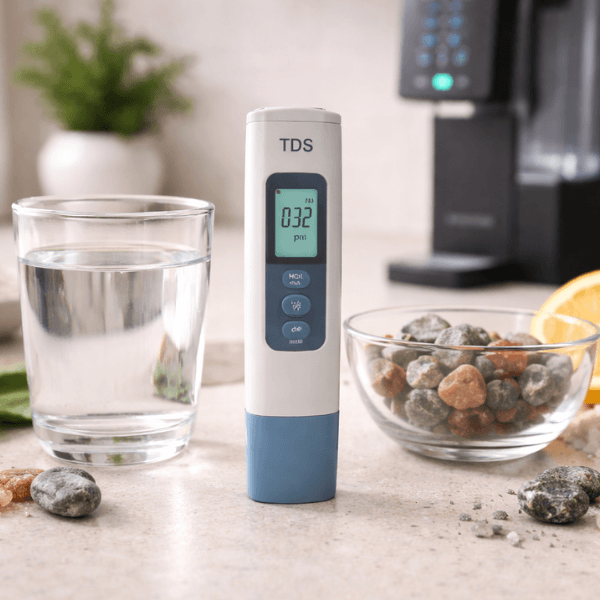
TDS stands for Total Dissolved Solids. It measures everything dissolved in your water, including minerals, salts, metals, organic matter and chemical residues. It is typically measured in parts per million and gives a general snapshot of what is present rather than a detailed breakdown.

In South Africa, TDS levels can vary depending on your area, water source and infrastructure, which makes understanding it more relevant in everyday use.
What TDS Does Not Tell You
A TDS reading does not identify exactly what is in your water. It only tells you how much is dissolved. A higher reading could reflect naturally occurring minerals or less desirable substances. A lower reading does not automatically mean better or worse. Context always matters.
What is considered a good TDS level
There is no single ideal number, but general ranges help provide context.
0 to 50 ppm is very low and often associated with reverse osmosis or distilled water
50 to 150 ppm is considered low to moderate
150 to 300 ppm is common for municipal tap water
300 ppm and above reflects higher levels of dissolved solids
In many South African households, tap water often falls within the mid to higher range depending on the region.

Why TDS Matters for Taste
Taste is usually where people notice the difference first. Water with higher TDS may taste flat, metallic, bitter or slightly chalky. Lower TDS water is often described as cleaner, crisper and more neutral.
How reverse osmosis affects TDS
Reverse osmosis filtration works at a molecular level using a semi permeable membrane to remove dissolved solids and impurities. As a result, TDS levels are reduced and water becomes more consistent in both taste and clarity.
Is low TDS water safe to drink
Yes, low TDS water is safe to drink. Most essential minerals come from food rather than water. Drinking water primarily supports hydration.
Using a TDS meter at home
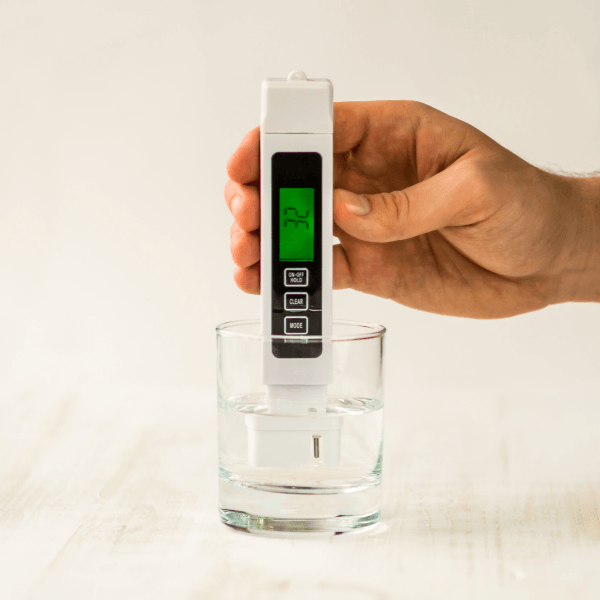
A TDS meter can help you compare tap and filtered water, monitor changes and understand your water quality over time.
Choosing the right filtration
Carbon filters improve taste but may not significantly lower TDS. Under sink systems offer moderate reduction. Reverse osmosis systems provide the most significant reduction in dissolved solids and contaminants.
A more informed approach to water. Understanding TDS gives you a clearer picture of your water. With the right filtration, water becomes more consistent and easier to enjoy daily.

For more information, visit CARA Water South Africa.